




Do Sweat Proof Shirts Really Work? An Honest Review

Table of Contents
- How Sweat Proof Shirts Actually Function
- Sweat Proof Undershirt vs Regular Undershirt
- Best Materials for Excessive Sweating
- How to Stop Underarm Sweat Patches
- Real-World Results: What These Shirts Can and Cannot Do
- Pros, Cons, and Thermal Regulation Trade-Offs
- Choosing the Right Fit and Style for Your Wardrobe
- Frequently Asked Questions
Last Updated: September 18, 2026
How Sweat Proof Shirts Actually Function
Sweat proof shirts work by placing a moisture-blocking layer between your skin and your outer clothing, so perspiration never reaches the fabric that everyone sees. This guide from Sweat Proof Apparel explains what that technology can and cannot do, based on how the garments are actually built.
The core idea is simple. A standard shirt absorbs whatever your underarms produce, which is why damp patches spread across the chest and back. A sweat-proof garment intercepts that moisture at the source instead.
The Moisture-Blocking Layer Explained
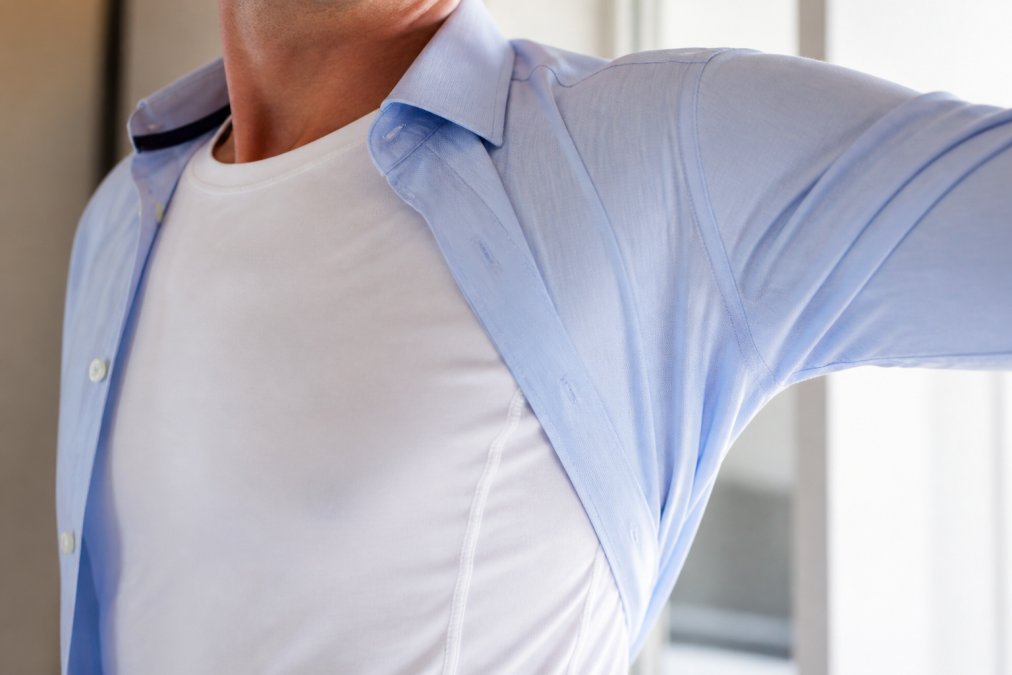
A moisture-blocking layer is a treated or densely woven panel positioned at the underarm that stops liquid from passing through to the outer surface. The rest of the shirt stays soft and breathable, so you are not wearing a plastic bag against your skin.
In practice, this means the barrier sits where sweat volume is highest. The Better Health Channel guidance on sweating and body temperature notes that the body uses perspiration to regulate temperature, so any barrier has to manage heat as well as moisture.
Sweat Proof Undershirt vs Regular Undershirt
The difference between a sweat proof undershirt and a regular undershirt comes down to what happens after sweat leaves your skin. A regular cotton undershirt absorbs moisture and holds it against your body. A sweat-blocking undershirt moves that moisture away and stops it reaching your outer layer.
That distinction matters most under a dress shirt or blouse, where a visible patch is the whole problem.
Moisture-Wicking vs Moisture-Blocking: The Key Difference
Moisture-wicking fabric spreads sweat across a wider surface so it evaporates faster. Moisture-blocking fabric stops sweat from transferring to the layer above it at all.
Wicking helps with comfort and drying time. Blocking helps with appearance. If your goal is to stop underarm sweat patches showing through a shirt, blocking is the mechanism doing the real work.
Best Materials for Excessive Sweating
The best materials for excessive sweating combine a high-cotton blend for comfort with an engineered barrier at the underarm. Pure synthetics wick well but can cling and trap odour. Pure cotton absorbs well but saturates quickly.
A blend such as 95% premium cotton with 5% spandex gives you softness, a fitted shape, and enough stretch to stay in place.
Why Fabric Density and Seam Construction Matter
Fabric density determines how much liquid can pass through a given area.
Seam construction decides whether the barrier holds.
How to Stop Underarm Sweat Patches
Stopping underarm sweat patches is mostly a layering problem, not a laundry problem.
A fitted sweat-blocking undershirt worn beneath your work shirt creates a barrier that outer garments never see. Choose a close fit so the panel stays against the underarm, and keep the outer shirt slightly relaxed so nothing pulls the barrier out of position.
Layering Strategies for High-Pressure Days
For presentations, interviews, or long commutes, layer deliberately:
- Start with a fitted sweat-blocking undershirt as your base
- Add your dress shirt or blouse over the top
- Avoid tight outer layers that compress the barrier
- Choose darker outer fabrics when you expect a stressful schedule
Real-World Results: What These Shirts Can and Cannot Do
These shirts reliably prevent sweat from reaching your outer clothing. They do not stop you from sweating. That is the honest summary.
What they cannot do is eliminate perspiration, reduce sweat volume, or treat a medical condition. If you sweat heavily, the barrier still holds, but the garment itself will feel damp against your skin even when your outer shirt stays dry.
What "Working" Actually Looks Like
It helps to separate the two jobs a sweat-proof shirt is asked to do:
- Appearance management, keeping outer clothing dry and free of visible patches. This is where a barrier performs well and consistently.
- Sweat reduction, lowering how much you perspire. This is not something a garment can do at all.
So the realistic expectation is a dry outer shirt and a damp undershirt. If you judge the product by whether you stop sweating, it will always seem to fail.
Hyperhidrosis and Clinical Expectations
Hyperhidrosis is a medical condition involving sweating beyond what temperature or activity would normally cause (Excessive sweating (hyperhidrosis) - causes and treatments). It is not simply "sweating a lot on a hot day", it can occur in cool conditions, at rest, and often affects specific areas such as the palms, soles, underarms or face.
If you suspect you have it, that is a conversation for a doctor, not a clothing purchase. A sweat-proof shirt can sit alongside clinical management as a practical layer, but it does not replace assessment or treatment.
Care and Longevity: Keeping the Barrier Working
A barrier that degrades stops being a barrier.
- Wash after every wear.
- Follow the care label. A 95% cotton and 5% spandex blend generally tolerates a gentle machine wash and tumble dry, but high heat can shorten the life of any engineered panel.
- Skip fabric softener. It coats fibres and can reduce how effectively a moisture-blocking layer performs.
- Check the underarm panel periodically. Once it starts to pill, thin or lose its structure, the protection is fading.
Pros, Cons, and Thermal Regulation Trade-Offs
Every sweat-proof garment trades some airflow for protection.
| Factor | Sweat Proof Shirt | Regular Undershirt |
|---|---|---|
| Blocks visible patches | Yes | No |
| Breathability | Moderate | High |
| Heat retention | Higher | Lower |
| Protects outer clothing | Yes | Limited |
| Best for | Office and events | Cool, casual days |
The honest limitation is warmth. A moisture-blocking panel traps heat as well as moisture, so on a hot day a sweat-proof shirt will feel warmer than plain cotton.
Why Trapped Heat Happens (and How to Manage It)
Heat builds up for a simple reason: the barrier that stops liquid passing outward also slows air moving inward.
A few practical ways to balance protection with breathability:
- Choose a partial barrier over a full one. Panels that cover only the underarm leave the chest and back free to breathe, which is where most heat escapes.
- Match fabric weight to the season. A lighter cotton-spandex blend under a linen shirt behaves very differently from a heavy layer under wool.
- Keep the outer layer relaxed. A tight outer shirt compresses the barrier against the skin and reduces the small air gap that helps heat escape.
- Vent where you can. An unbuttoned collar or a looser weave in the outer shirt does more for comfort than any undershirt can.
- Rotate, don't layer up. Adding a second undershirt to "be safe" traps more heat and defeats the purpose.
The Skin-Health Angle Most Guides Skip
Wearing a moisture-blocking layer for long stretches changes the environment next to your skin.
Choosing the Right Fit and Style for Your Wardrobe
Fit decides whether the technology works.
Choose a fitted construction that tucks comfortably under your dress shirts and polos.
Men's and Women's Options
Sweat Proof Apparel makes both men's and women's cuts. The Neat™ Women V-neck Undershirt is $47.50 and built with a fitted construction for wearing under blouses. The Neat™ Women T-Shirt is $55.00 with a scoop neck for stand-alone wear.

Frequently Asked Questions
How do sweat proof shirts actually function?
Sweat proof shirts use a moisture-blocking layer, often a triple-layer underarm shield, to stop sweat from passing through to your outer clothing. Unlike standard moisture-wicking fabrics that spread sweat across a larger surface for faster evaporation, these shirts create a barrier. The Neat™ Fabric blend of 95% premium cotton and 5% spandex hides sweat from the inside out. This means your dress shirt stays dry, even if you sweat heavily.
Are sweat proof undershirts effective for hyperhidrosis?
Yes, they are effective for managing hyperhidrosis. While they do not stop your body from producing sweat, the moisture-blocking layer prevents underarm sweat from soaking through to your outer shirt. For people with hyperhidrosis, this means no visible sweat stains. The fitted construction provides a reliable barrier. Many users find this practical solution gives them confidence throughout the day.
Do sweat proof shirts cause you to overheat?
The Neat™ Fabric is lightweight and allows body temperature regulation. However, any extra layer adds some warmth.
How long do sweat proof undershirts last before needing replacement?
The moisture-blocking layer is built into the fabric, not applied as a coating, so it will not wash out. The 95% premium cotton and 5% spandex blend is durable. As long as the fabric remains intact, the sweat-proof barrier technology stays effective.
Can sweat proof shirts be worn under formal business attire?
Yes, they are designed for this. Fitted construction allows them to tuck comfortably under dress shirts and polos without adding bulk. The sweat-proof barrier protects your expensive suits and blouses from perspiration.
Sweating through your shirt in a meeting is a problem you can solve with the right base layer. Sweat Proof Apparel builds undershirts, tees, and polos with triple-layer underarm protection and sweat-hiding technology that keeps moisture off your outer clothing. The fabric is a 95% premium cotton blend that tumble dries without shrinking, and the range covers both men's and women's fits. Get started with Sweat Proof Apparel and stop planning your day around your underarms.